
Salmon Fishing in Roseburg OR with Captain Mark LaDuke
Salmon Fishing Experience Around Roseburg - What to Expect
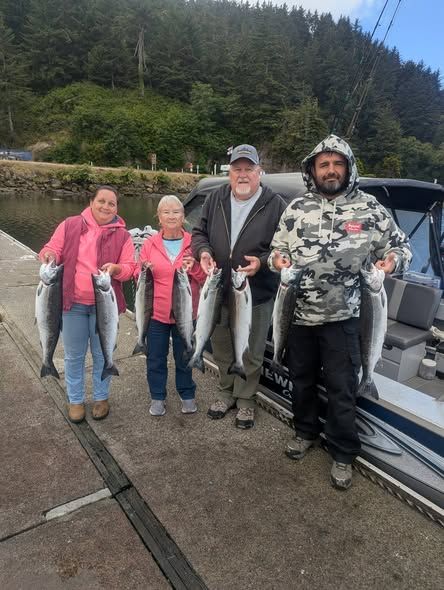
Guided Fishing Trip by Captain Mark LaDuke in November

- Charter fishing & crabbing – Winchester Bay, OR


Summary
Join Captain Mark LaDuke of Mark LaDuke Guide Service for an unforgettable guided fishing trip on Friday, October 16th in Roseburg, Oregon. This hands-on experience puts you on the water targeting salmon and other species around Winchester Bay, where calm mornings and productive fishing conditions make for memorable catches and great photo moments with your group.
Fishing with Captain Mark LaDuke - Rates & Booking
Captain Mark LaDuke of Mark LaDuke Guide Service takes anglers out on Friday, October 16th for a guided fishing trip you won't forget. This is your chance to fish with someone who knows Winchester Bay inside and out, targeting the species that make this area worth the trip.
Whether you're a seasoned angler or picking up a rod for the first time, Mark's approach keeps things relaxed and productive. You'll spend your day on the water with a guide who understands local conditions and fish behavior. The setup is designed to get you casting and catching, not sitting around waiting for action.
To book your spot or get details on group size, pricing, and what's included in your trip, reach out to Mark LaDuke Guide Service directly. Local guides fill up fast during peak season, so reserve your date soon to secure your place on the boat.
Highlights of Your Guided Fishing Trip
The magic of fishing around Roseburg is the combination of accessible water and consistent fish activity. Winchester Bay offers a mix of conditions - from calm mornings perfect for casting to deeper channels where larger fish hold. You get that authentic fishing experience without needing to run hours offshore, which means more time actually fishing and less time traveling.
The dock scenes you see in photos tell the real story - groups heading out with excitement, then returning with catches that make for perfect memories. The forested hillsides surrounding the area create a scenic backdrop, and the water clarity in fall makes spotting fish and structure easier. If you're bringing friends or family, the camaraderie of a shared fishing day is hard to beat.
Local Species Insights: Bluefish & More
Bluefish are aggressive hunters that thrive in the waters around Winchester Bay. These fish are known for their hard strikes and strong runs - when you hook one, you feel it immediately. They're built for speed and power, which makes them exciting targets for anglers using live bait or artificial lures. Bluefish tend to school, so when you find one, more are usually nearby, which means sustained action rather than isolated bites.
The Roseburg area offers opportunities beyond just one species. The local waters support a healthy population of different fish throughout the year, and Mark's knowledge helps you target what's most active during your trip date. Fall fishing often brings aggressive feeding patterns as fish prepare for seasonal changes, which translates to better bite windows and more encounters on the water.
Habitat around Winchester Bay includes mix of shallow flats, deeper channels, and structure where fish congregate. Mark knows where fish position themselves based on tide, weather, and time of year. This isn't random casting - it's informed fishing from someone who's spent significant time understanding what makes this fishery tick. You're tapping into local expertise that takes years to develop.
Plan Your Fishing Day
Your guided fishing trip includes time on the water with an experienced captain who handles navigation and spotting while you focus on fishing. Bring sunscreen, wear comfortable clothes you don't mind getting wet, and be ready for an active day. The group size on Mark's trips keeps things personal - you're not crammed on an oversized charter with 20 strangers.
Weather can vary around Roseburg in mid-October, so dress in layers. Early morning starts are typical for fishing trips, which means you'll be on the water during prime feeding times. Bring a camera for those catch photos - they're worth capturing. By day's end, whether you're celebrating full coolers or the simple joy of being on the water, a guided fishing trip with a local expert creates memories beyond just the fish.
Fishing in Winchester Bay: Bluefish

Bluefish Overview
The Bluefish (Pomatomus saltatrix) is one of the most thrilling game fish you'll encounter in nearshore and onshore Atlantic waters. Belonging to the family Pomatomidae and order Perciformes, this aggressive predator is the sole surviving member of its family—a distinction that makes it both ecologically important and historically fascinating. What makes the Bluefish truly special is its combination of explosive feeding behavior, striking blue-green coloring, and reputation as a spirited fighter on the line. Known locally in different regions as Shad (South Africa) or Tailor (Australia and New Zealand), this migratory species brings excitement to summer fishing from Cape Cod to the Carolinas and beyond. Anglers and casual observers alike are captivated by the famous "Bluefish Blitz," where schools churn shallow waters like washing machines, attacking baitfish with reckless abandon.
Bluefish Habitat and Distribution
Bluefish thrive in subtropical and temperate waters across the globe, with major populations found throughout the Atlantic Ocean from Nova Scotia to Argentina, and from Spain to southern Africa. These marine pelagic fish are most commonly found along continental shelves and rarely venture to the north side of the Pacific Ocean. In North America, they inhabit a wide range of environments including brackish estuaries, tidal rivers, rock headlands, sandy beaches, and areas just above the continental shelf. During summer months, Bluefish become seasonal visitors to cooler northern waters, arriving around mid-June and remaining through mid-October before migrating to warmer wintering grounds from North Carolina south to Florida's tip. They're particularly abundant in bays, sandy harbors, and tidal river systems where forage fish concentrate. The species shows a strong preference for areas with active baitfish populations and readily moves between shallow coastal waters and deeper offshore zones depending on seasonal availability of prey.
Bluefish Size and Weight
Bluefish display considerable size variation depending on age and feeding conditions. Most fish in the general population reach weights around 15–20 pounds, though they commonly grow to 15 inches minimum and can exceed 51 inches in length when fully mature. In terms of weight, typical catches range from 3 to 15 pounds for recreational anglers, though exceptional specimens have been documented at 40 pounds or more. Juvenile Bluefish, affectionately called "baby blues" or "snappers," appear in late summer and offer excellent opportunities for young and inexperienced anglers to practice their skills. The larger fish, particularly those exceeding 10 pounds, develop stronger, more assertive flavors compared to their smaller counterparts, which possess mild, flaky meat prized by culinary enthusiasts.
Bluefish Diet and Behavior
Bluefish earned their reputation as voracious predators through relentless feeding habits and an impressive arsenal of flat, triangular teeth sharp enough to inflict serious bites. These aggressive hunters possess a complex diet featuring sardine-like fish, Menhaden, Weakfish, Grunt, Anchovy, Squid, and Shrimp. Their fast swimming speed allows them to chase down schools of forage fish, and they're known for entering feeding frenzies where they continue attacking prey long after satisfying their nutritional needs—a behavioral trait that makes them so appealing to anglers. Interestingly, Bluefish exhibit cannibalistic tendencies, sometimes consuming their own young. Despite their fearsome hunting prowess, adult Bluefish serve as food for larger predators including Dolphins, Billfish, Sharks, and Tuna. The species can live up to 9 years in the wild, providing a multi-generational presence in coastal ecosystems. Their aggressive nature means careful handling is essential; their powerful jaws and sharp teeth can deliver painful wounds to unsuspecting anglers.
Bluefish Spawning and Seasonal Activity
Bluefish exhibit strong seasonal migration patterns that define their presence in coastal waters throughout the year. In northern regions like Cape Cod and the broader Atlantic Northeast, these fish arrive as seasonal visitors around mid-June and establish themselves through mid-October when water temperatures and baitfish availability peak. The fall migration triggers a notable fishing phenomenon as juvenile "snappers" congregate in sandy harbors, bays, and tidal rivers before departing for southern waters. Winter months find the majority of the population in warmer Atlantic waters stretching from North Carolina through Florida's southern tip. This predictable seasonal cycle has shaped commercial and recreational fisheries management strategies, with harvest regulations and bag limits designed around their migratory movements. Spring returns bring renewed excitement to northeastern anglers as water temperatures warm and migrating schools re-enter traditional summer grounds, signaling the beginning of another productive fishing season.
Bluefish Techniques for Observation and Capture
Method 1: Live and Cut Bait Fishing
The most effective approach for targeting Bluefish involves using oily baitfish like eels, which trigger aggressive strikes, though nearly any baitfish species will work. Cut bait shaped into small lure-sized chunks proves particularly productive, allowing you to present multiple offerings in areas with known Bluefish activity. Fish from tidal rivers, bays, and sandy harbors during summer months when water temperatures are optimal. Use only circle hooks per regulations—this equipment choice reduces injury to released fish while improving your hook-up rate. Cast into areas where baitfish schools congregate, particularly near structure and during tidal movements that concentrate prey.
Method 2: Artificial Lures and Flies
Bluefish eagerly strike artificial lures and fly patterns that mimic their natural prey. Recreational regulations permit artificial lures with a maximum of two treble hooks, giving you flexibility in your presentation. Topwater plugs, metal spoons, and shad-pattern soft plastics all produce strikes during active feeding periods. Cast into the "Bluefish Blitz"—that spectacular phenomenon where schools churn shallow water while attacking baitfish—and work your lures with aggressive, erratic retrieves that trigger competitive feeding responses.
Method 3: Commercial and Guided Techniques
Professional fisheries employ trawls, gillnets, and hook-and-line methods in commercial operations requiring proper permits. Around Cape Cod and other prime northeastern locations, charter boats and guided services specialize in locating schools and positioning anglers for consistent action. Recreational anglers can keep up to three fish per day with no minimum size requirement, making this an accessible species for both novices and experienced fishermen.
Bluefish Culinary and Utilization Notes
When properly prepared, Bluefish offers mild, flaky meat that ranks as a genuine culinary treat for those who know how to handle it. Smaller fish (under 10 pounds) provide the most delicate flavor, while larger specimens develop more pronounced, oily characteristics that some find less appealing. Despite being rich in omega-3 fatty acids beneficial for heart health, health authorities recommend that children and adult women limit consumption due to the species' significant mercury content. The fish's oily nature makes it ideal for smoking, grilling, and baking—preparation methods that complement rather than mask its natural flavors. Commercial and recreational fisheries employ strict management through bag limits and annual quotas to ensure sustainable harvest and prevent overfishing. When considering Bluefish for the dinner table, source smaller specimens and enjoy them as an occasional rather than regular dietary staple.
Bluefish Frequently Asked Questions
Q: What is the best bait for catching Bluefish?
A: Oily fish like eels are exceptionally effective, but almost any baitfish works well. Cut bait shaped into small lure-sized chunks provides another excellent option. The key is matching bait size to your target fish and presenting it in areas where schools congregate, particularly during tidal movements.
Q: Where can I find Bluefish near Cape Cod and the northeastern coast?
A: Bluefish are seasonal visitors to Cape Cod and northern Atlantic waters from mid-June through mid-October. Focus your efforts on tidal rivers, bays, sandy harbors, and nearshore locations where baitfish concentrate. The "Bluefish Blitz" phenomenon, where schools attack baitfish in shallow water, creates spectacular fishing opportunities during peak season.
Q: Is Bluefish good to eat?
A: Yes, when properly prepared, Bluefish offers delicious, mild, flaky meat—particularly smaller specimens under 10 pounds. However, due to mercury content, health authorities recommend limiting consumption, especially for children and adult women. Prepare using smoking, grilling, or baking methods that complement the fish's natural oily richness.
Q: When is the best time to catch Bluefish?
A: Summer months (mid-June through mid-October) represent peak season in northern regions like Cape Cod. Late summer brings juvenile "snappers" into shallow bays and sandy harbors, creating excellent opportunities for beginners. Early morning and late afternoon often produce the most consistent action as feeding intensity increases.
Q: What regulations apply to Bluefish fishing?
A: Recreational anglers can keep up to three Bluefish per day with no minimum size requirement, using only circle hooks. Artificial lures are limited to two treble hooks maximum. Commercial fishing requires proper permits, and many states impose specific catch limits. Always check local regulations before fishing.
Q: Why are Bluefish called a "Blitz" when they feed?
A: The "Bluefish Blitz" occurs when schools churn shallow water like washing machines, attacking baitfish schools with reckless aggression. These feeding frenzies create spectacular surface disturbances and offer some of the most exciting fishing experiences available, as multiple fish simultaneously strike and compete for prey regardless of their hunger level.
